
WEY VALVES IN ATLANTIC CANADA
WEY Knife Gate Valves for Slurry, Sludge & Difficult Solids
Sludge, slurry and fibrous media can make dependable shutoff difficult. WEY knife gate valves provide options for demanding isolation duties in wastewater treatment, pulp and paper, mining and industrial processes.
Flowstar is an authorized WEY valve distributor serving Atlantic Canada. We help evaluate your media, pressure, materials and actuation requirements to identify suitable options for a new installation or replacement.

Application Selection
Start With the Process, Then Select the Valve
The right valve depends on what moves through the line, how it operates and where it needs to fit. Flowstar helps turn those requirements into a practical valve selection.
Know the Media
Identify the liquid and solids, including fibres, particle size, abrasiveness and chemical compatibility. Include operating temperature and any tendency for material to settle or build up.
Define the Duty
Provide operating and differential pressure, cycling frequency and required operation. For automated valves, include available utilities, control signals and position feedback.
Confirm the Installation
Review line size, flange standard, face-to-face dimensions and available clearance. For replacements, share the existing valve model, photos or drawings.
You don’t need a complete specification to start. Send the information you have, and Flowstar can help identify what else needs to be confirmed.
WEY KNIFE GATE VALVES
Find a Starting Point for Your Application
Slurry, sludge, fibrous stock and high-pressure service place different demands on an isolation valve. Explore the options below based on your operating requirements, then review the relevant series.
W Series Heavy Service Knife Gate Valves
Slurry, Tailings & Demanding Process Isolation
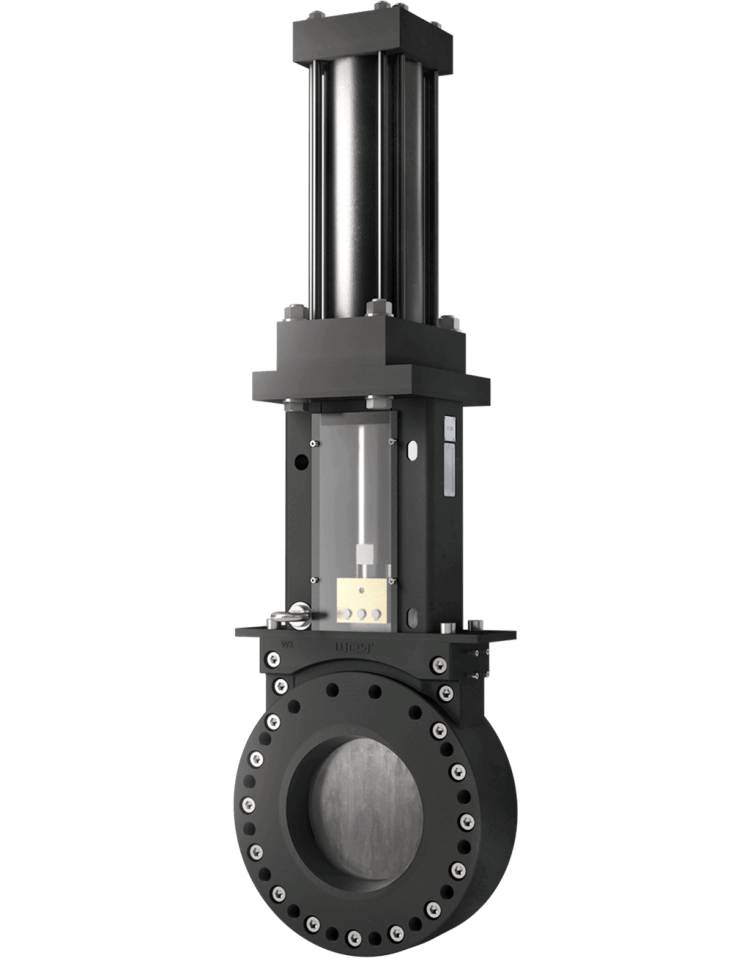
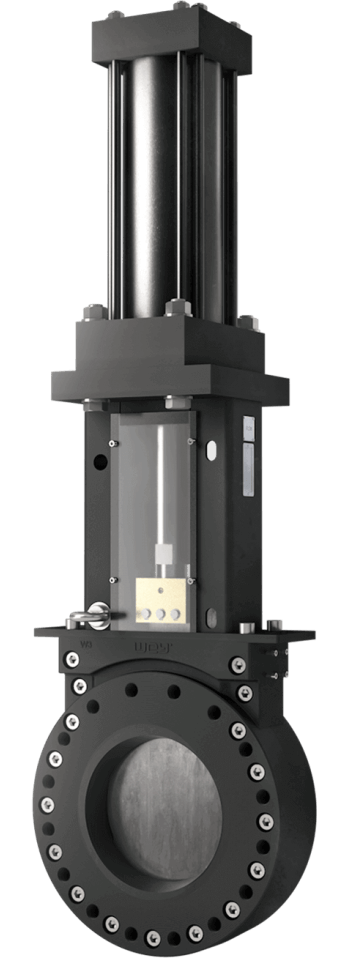
Abrasive solids and demanding operating conditions require more than a valve that matches the pipe size. WEY’s W Series offers heavy-service configurations across a broader size and pressure range, with material and connection options selected around the duty.
Guided gate: Mechanically guided throughout its stroke and supported in the closed position.
Retained seat seal: A mechanically retained seal provides shutoff at the gate edge.
Flexible configuration: Material, size, pressure and operator options allow selection around the application.
When We’d Recommend It:
Consider W when the required pressure, size, materials or installation dimensions call for its wider configuration range. Confirm the individual model’s ratings rather than selecting on the “heavy-service” designation alone.
Resources
VL & VS Stainless Steel Knife Gate Valves
Sludge, Wastewater & Solids-Bearing Isolation
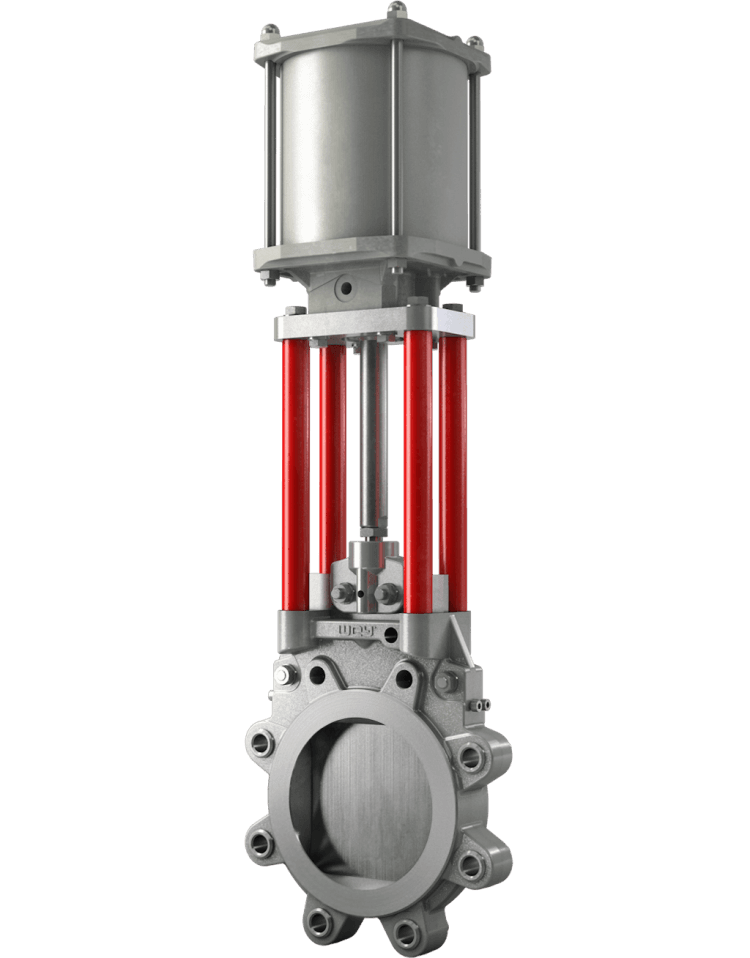
The VM combines a ductile iron body with a stainless steel gate for suitable wastewater and industrial isolation duties. Its ANSI Class 150 flange drilling and MSS-SP81 face-to-face dimensions provide specific connection details to check against your installation.
Stainless steel construction: Standard stainless steel bodies and gates, with other materials available for specific requirements.
VL lug design: Four-post topwork accommodates a range of actuator types.
VS semi-lug design: Lightweight construction with a yoke that opens from one side for access to mechanical components.
When We’d Recommend It:
Consider VL or VS when stainless steel construction suits the media. Compare the lug or semi-lug arrangement, actuator support and maintenance access against your installation.
Resources
VM Ductile Iron Knife Gate Valves
Sludge • Wastewater • Industrial Solids
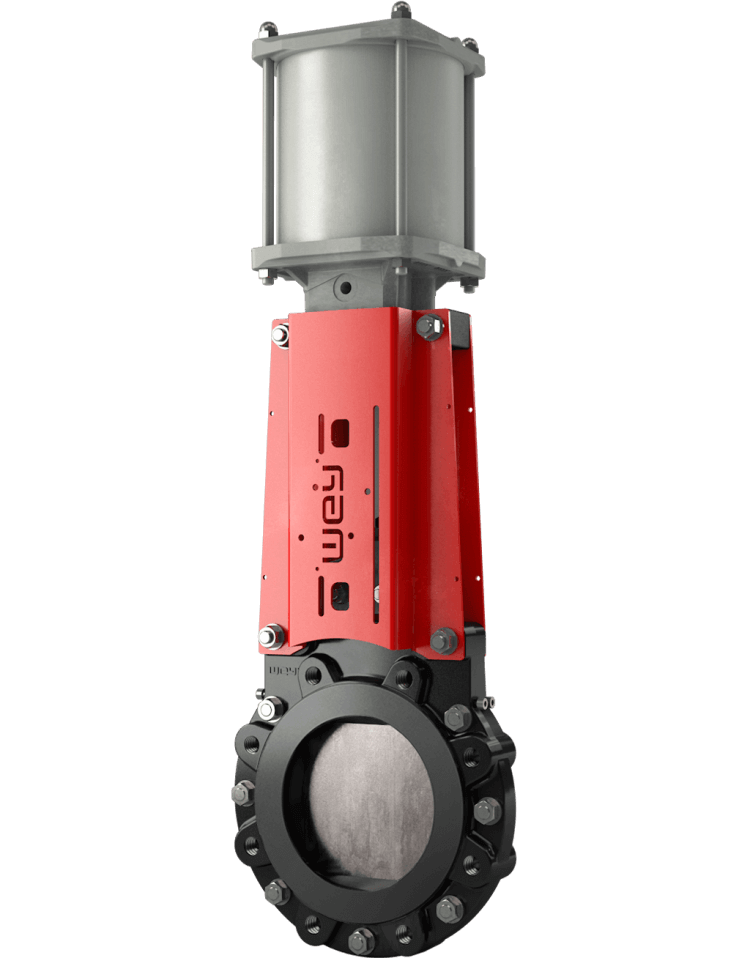
Sludge and solids buildup can interfere with valve closure and shutoff. The WEY VM combines a ductile iron body, stainless steel gate and guided-gate design for isolation duties in wastewater treatment and industrial processes.
Guided closure: The gate is mechanically guided throughout its stroke and supported when closed.
Retained seat seal: A mechanically retained seal provides shutoff at the gate edge.
Maintenance access: The metal yoke can be removed from one side to reach mechanical components and accommodates position switches.
When We’d Recommend It:
Consider the VM for sludge, wastewater and solids-handling applications where ductile iron is compatible with the process. Flowstar can review the body, gate and seal materials alongside operating pressure, cycling and actuation requirements.
Resources
DB Double Block & Bleed Knife Gate Valves
Chemical Isolation • Bleaching Agents • Pulp & Paper
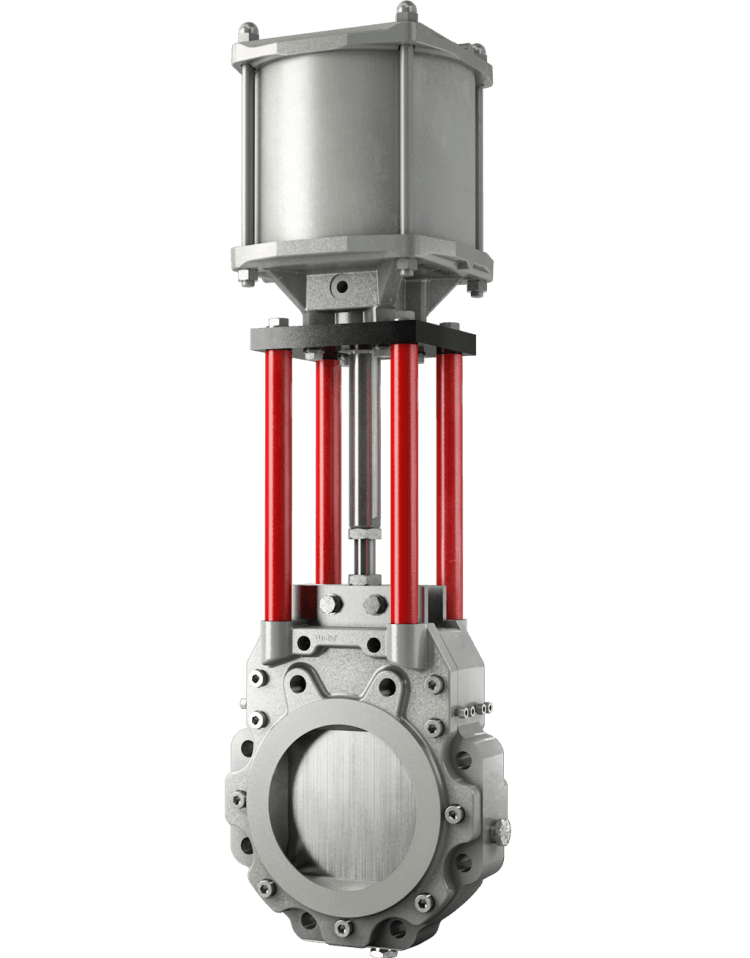
Processes handling hazardous chemicals may require two sealing barriers and a way to flush the space between them. The WEY DB combines two seat areas and cavity purge ports in a single valve for dedicated double block and bleed applications.
Two seat areas: Provide sealing against pressure from either end when the valve is closed.
Cavity flushing: Purge ports allow media to be flushed from between the seat areas.
Stainless steel construction: Stainless steel body and gates, with other materials available for specific requirements.
When We’d Recommend It:
Consider DB when the process specification calls for double block and bleed isolation. Confirm media compatibility, pressure, purge connections and the site’s isolation requirements.
Resources
SG O-Port Knife Gate Valves
Long Fibres • Stagnant Media Columns • Difficult Solids
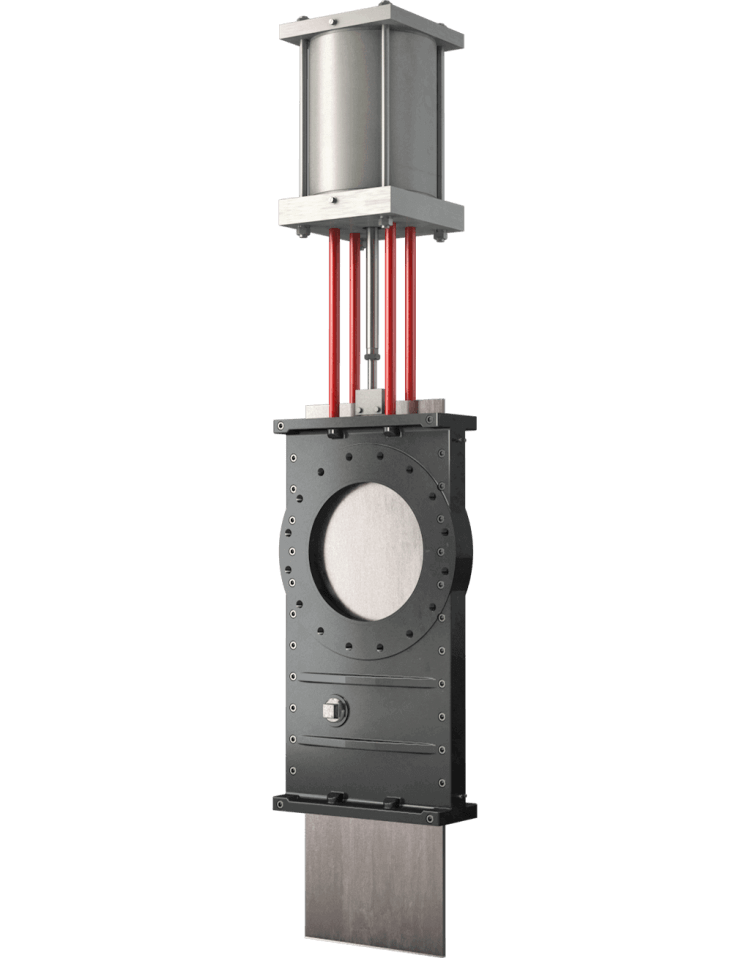
Long fibres and stationary columns of solids can make valve closure difficult. The WEY SG uses an O-port through-gate design to close through these challenging media.
Through-gate design: Handles closure through stagnant media columns and long-fibre material.
Transverse sealing: An integrated transverse seal distinguishes the SG from conventional O-port designs.
Robust actuator support: Four-post topwork supports a range of manual and powered operators.
When We’d Recommend It:
Consider SG when long fibres or stationary solids make closing through the media a primary concern. Check solids loading, differential pressure and the required closing force.
Resources
HD High Pressure Knife Gate Valves
High Pressure Slurry • Tailings • Sludge
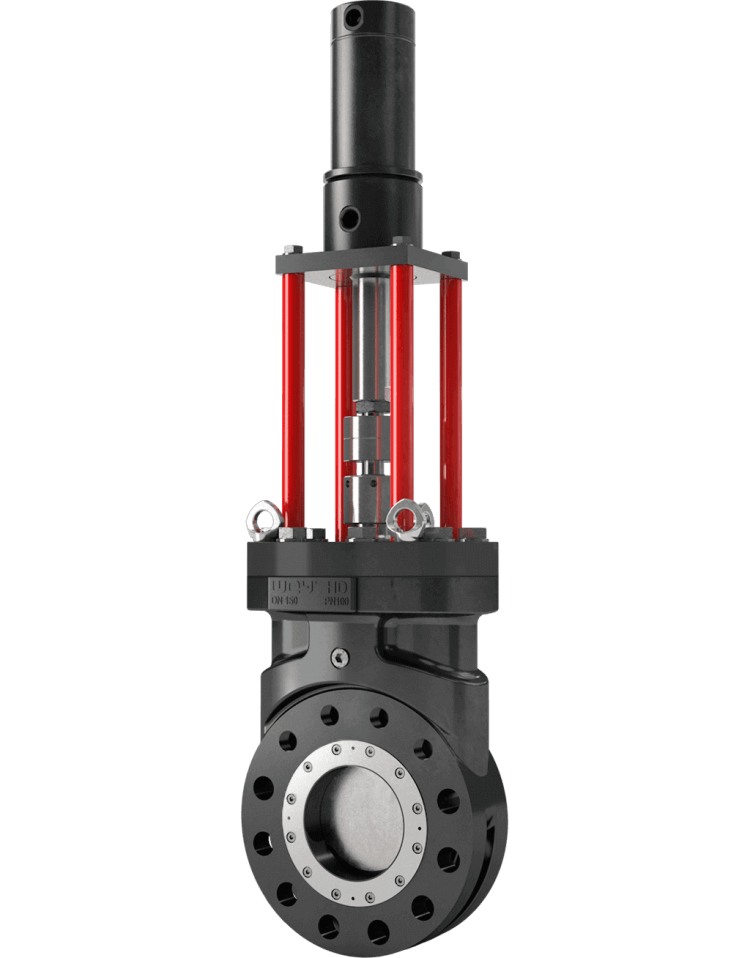
High-pressure lines carrying solids require careful attention to sealing, containment and actuation. The WEY HD provides knife gate isolation for demanding mining and wastewater duties, with configurations rated up to 100 bar.
Pressure-assisted sealing: Line pressure creates a sealing effect within the seat area.
Flushable bonnet: The enclosed bonnet design allows solids-bearing media to be flushed out.
Actuation options: Four-post topwork accommodates manual, pneumatic, hydraulic or electric operation.
When We’d Recommend It:
Consider HD when solids-handling duty requires high-pressure isolation. Confirm the selected configuration’s pressure and temperature limits, material compatibility and flushing requirements.
Resources
ADDITIONAL WEY SOLUTIONS
Have a Different Valve Requirement?
Your application may call for a different valve design, connection or operating arrangement. Share your process conditions and installation requirements with Flowstar so we can help identify suitable options within the wider WEY range.
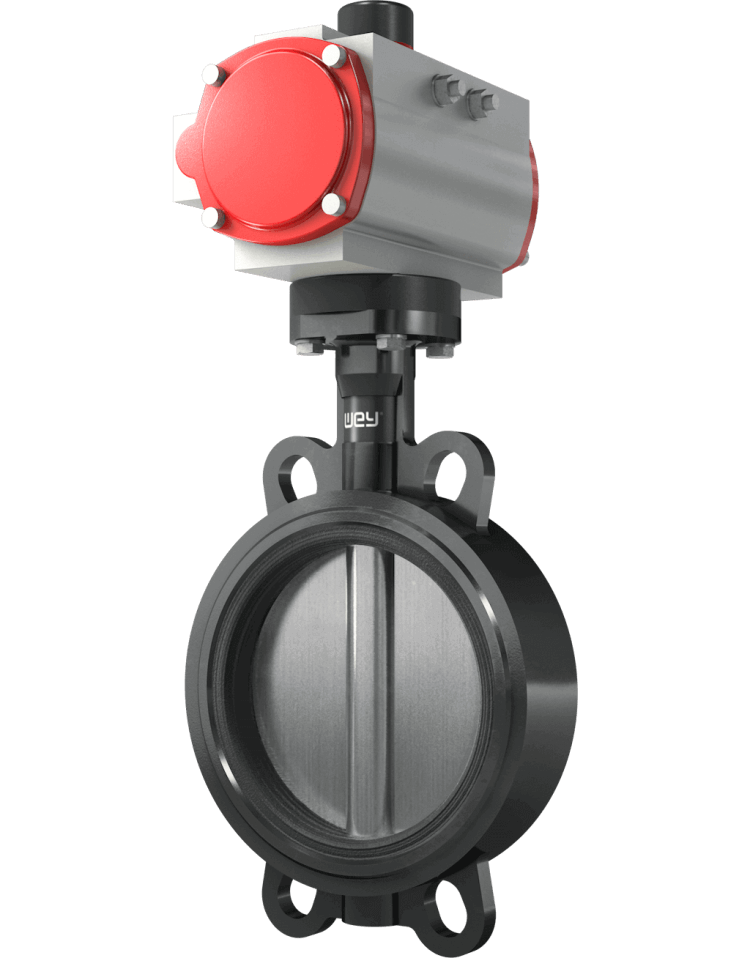
Butterfly Valves
Water Systems • Industrial Processes
When your water or process line needs quarter-turn shutoff, WEY butterfly valves offer wafer, lug and double-flange configurations, with manual or powered operation.
Flowstar can help compare body, disc and liner materials against your media, pressure and connection requirements.
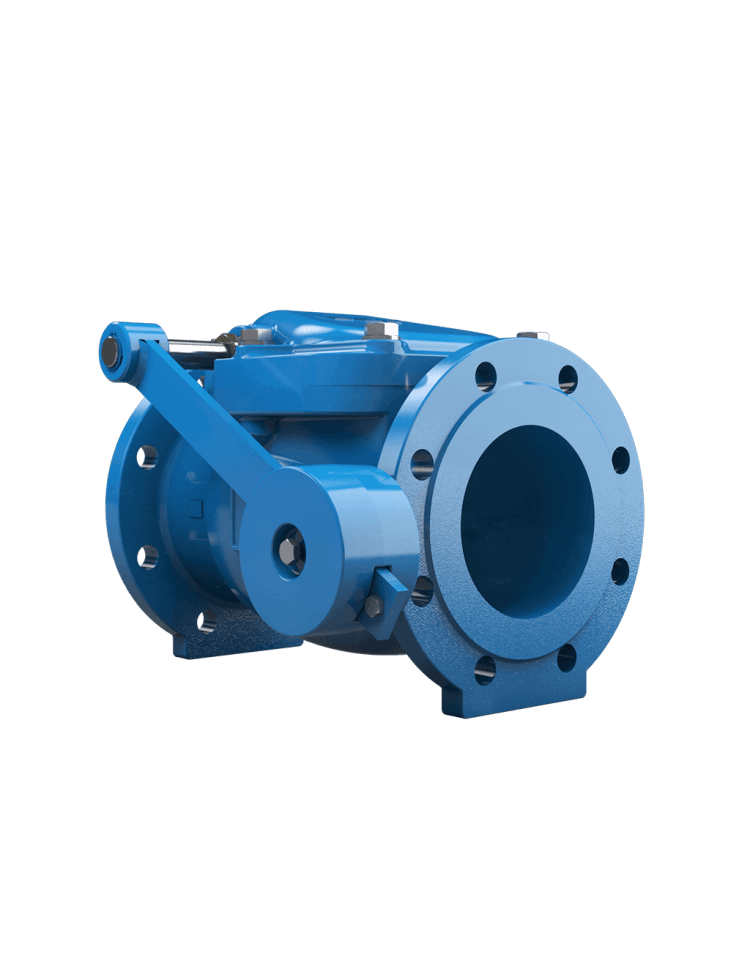
Check Valves
Backflow Prevention • Water & Wastewater
Reverse flow is a key consideration in pumping systems. WEY check valves provide automatic non-return operation, with designs selected around the media and operating conditions.
Flowstar can review flow conditions, installation orientation, solids content and flange compatibility to help identify a suitable option.
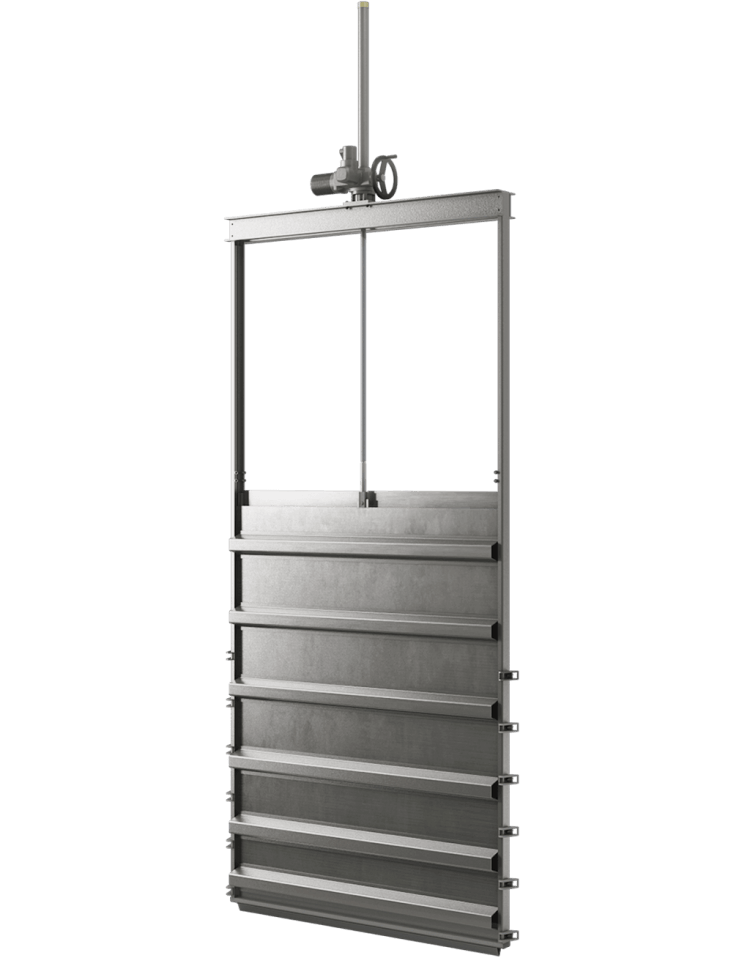
Water Control Gates
Channels • Tanks • Treatment Facilities
Controlling water through a channel or structure calls for a different approach to pipeline isolation. WEY offers custom water control gates built around the installation’s requirements.
Flowstar can help review opening dimensions, water head, flow direction, mounting and operating requirements for a new installation or replacement.
Replacement & Retrofit
Replacing a Valve?
Start With What’s Already Installed.
A worn, leaking or difficult-to-operate valve is a reason to review both the equipment and the application. Flowstar can help evaluate a WEY replacement against your existing piping, process conditions and operating requirements.
Confirm the Fit
Share the valve manufacturer, model, line size and flange standard. Face-to-face dimensions, actuator clearance and mounting orientation help establish what will fit and where modifications may be needed.
Understand the Problem
Tell us what prompted the replacement. Leakage, wear, solids buildup or difficulty closing can help identify which materials, seals and valve designs deserve closer review.
Review the Operation
Keep manual operation or discuss automation requirements. Include available utilities, control signals, position feedback and any required fail position.
Start with a nameplate photo, valve photos or an existing drawing. You don’t need every detail before contacting us.
Applications & Industries
Valve Selection Starts With the Demands of Your Process
From wastewater sludge to mineral slurry, the media and operating conditions determine what a valve needs to handle. Flowstar helps customers across Atlantic Canada evaluate WEY options for their application.
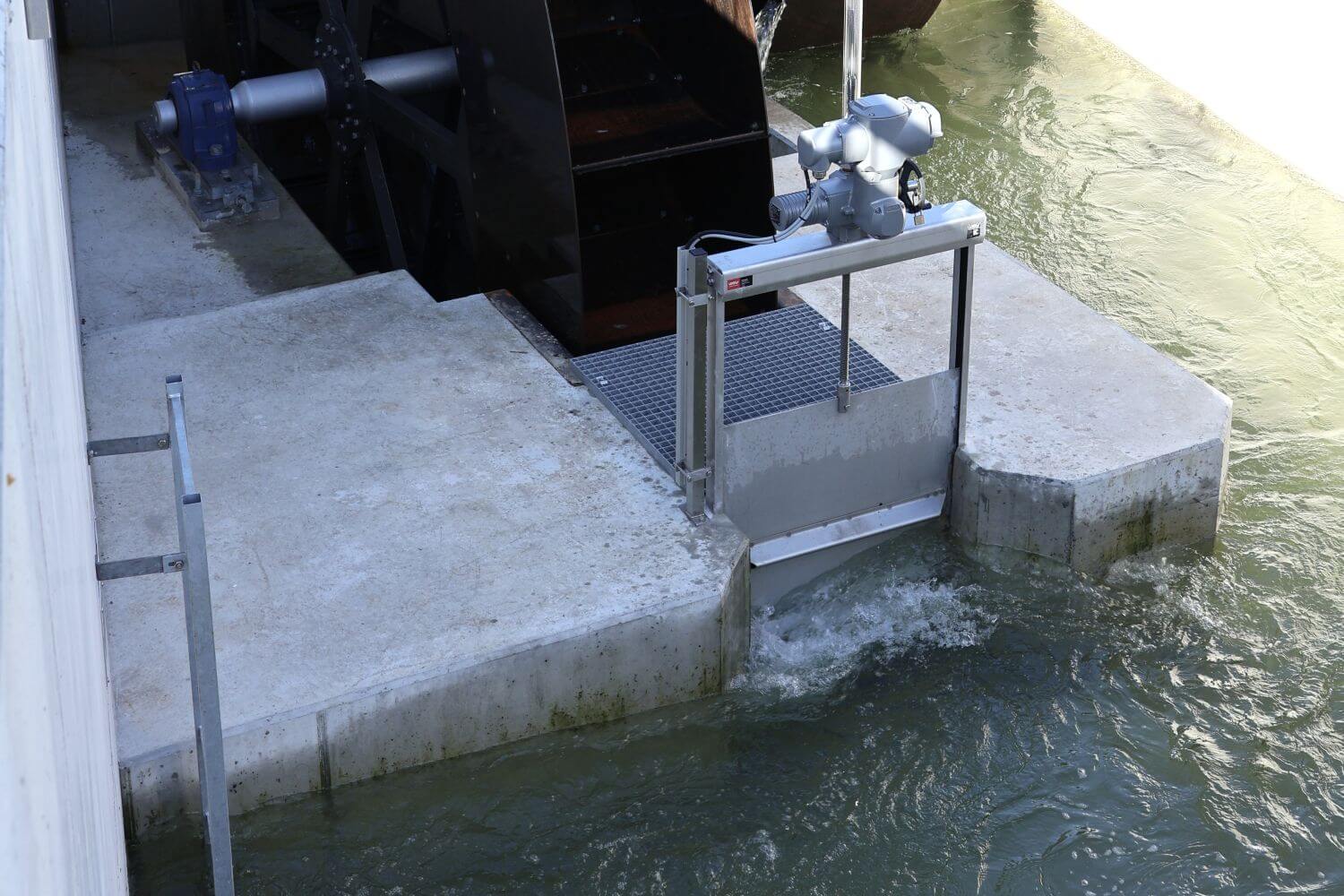
Water & Infrastructure
Isolate water lines and control flow through channels, tanks and structures. Review connection standards, water head, mounting and operating requirements.
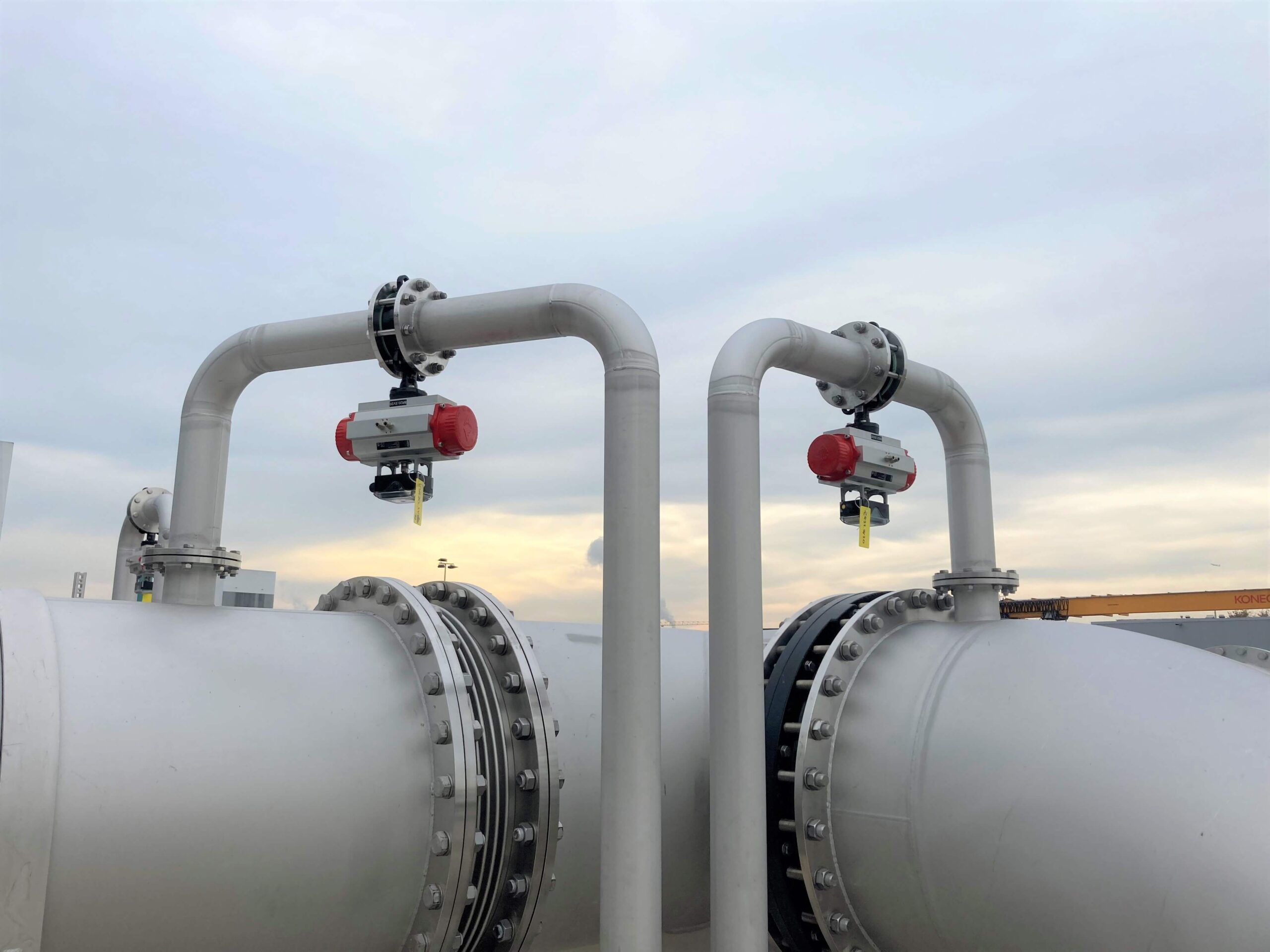
Wastewater & Sludge
Manage isolation duties where sludge, fibres and settled solids can interfere with closure. Consider solids content, sealing, corrosion resistance and maintenance access.
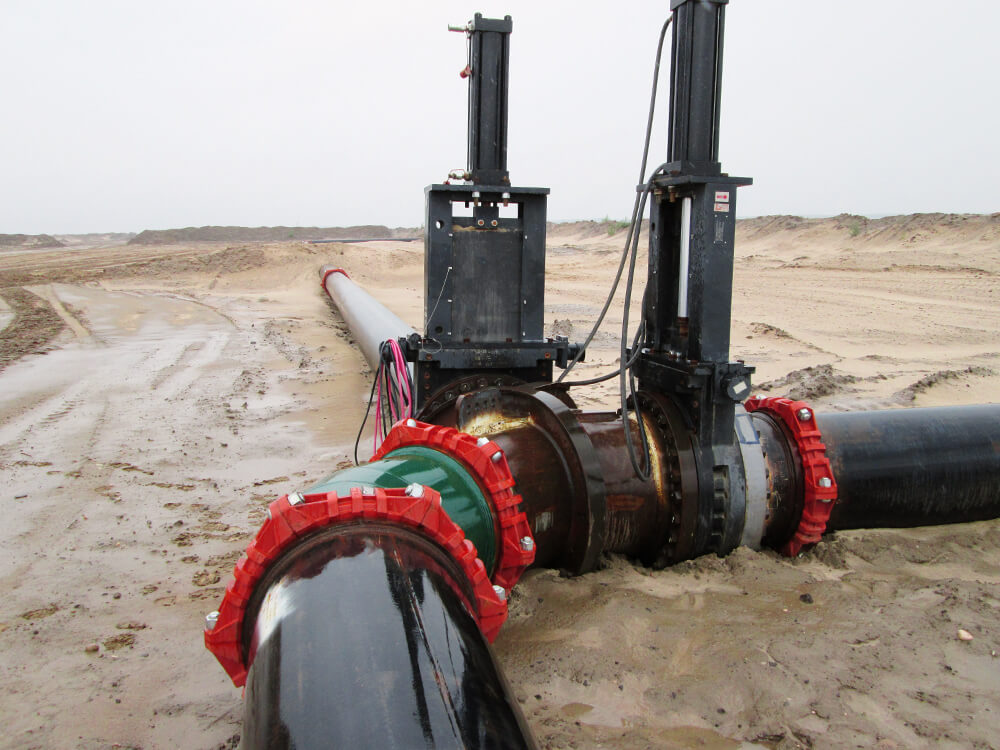
Mining & Minerals
Handle demanding slurry, tailings and mineral-processing duties. Evaluate abrasion, solids settling, differential pressure and the force needed to close through the media.
Pulp & Paper
Select valves for fibrous stock, process water and mill chemicals. Match the gate design, materials and actuation to fibre content, chemical exposure and cycling requirements.
Chemical & Process
Match valve materials and seals to the chemicals, concentrations and temperatures in your process. Review containment, isolation and flushing requirements alongside operating pressure.
Food & Beverage Utilities
Evaluate valves for utility water, wastewater and suitable process duties. Confirm material compatibility, cleaning requirements and any sanitary specifications before selecting a configuration.
Talk With Flowstar About WEY Valves
Planning a new installation or replacing a valve that leaks, wears or struggles to close? Send Flowstar your process details, existing valve information or available drawings. Our Atlantic Canadian team can help compare suitable WEY configurations and identify what needs to be confirmed.
Common Questions
WEY Valve Questions
Both are stainless steel knife gate options, but their construction differs. VL uses a lug design and four-post topwork; VS uses a semi-lug body and a removable-side yoke. The installation, operator loads and required configuration help determine the choice.
No. Flange drilling varies by series and configuration. Many Canadian knife gate listings include ANSI options, while the RSK check valve is listed with PN10 drilling. Confirm the exact connection and face-to-face dimensions before ordering, especially for a replacement.
The SG through-gate design is intended for difficult solids duties, including long fibres or stagnant media columns. Describe the material and closing conditions so both the valve and the actuator can be reviewed for the application.
The DB model has two seat areas and ports serving the space between them. This provides a double block and bleed arrangement within one valve. Its suitability depends on the complete process isolation requirements and the purge or bleed arrangement.
