
Pratt Valves in Atlantic Canada
Pratt Valves for Water, Wastewater & Industrial Systems
Isolating a water line, handling wastewater solids or managing reverse flow calls for different valve designs. Flowstar helps you compare Pratt options around the fluid, operating conditions and function your system requires.
Serving customers across Atlantic Canada, we help review valve selection, materials, connections and operating requirements for new installations and replacement projects.

Valve Selection
Start With the Duty. Then Select the Valve.
The right valve depends on the fluid, the function and how your system operates. Share what you know, and Flowstar can help narrow the Pratt options.
Identify the Fluid & Conditions
Include fluid type, solids content, temperature and operating pressure. Chemical compatibility, abrasion and pressure differential help determine suitable materials, seats and seals.
Define What the Valve Must Do
Specify isolation, flow regulation, reverse-flow prevention or air management. Include flow requirements, acceptable headloss and any known surge or shutdown conditions.
Confirm the Installation & Operation
Review line size, connections, face-to-face dimensions and available clearance. Identify manual or powered operation, control signals, operating time and any required fail position.
You don’t need a complete specification to start. Send your application details, drawings or existing equipment information, and we can help identify what needs to be confirmed.
Pratt Valve Products
Find a Starting Point for Your System
Do you need to isolate a water line, handle wastewater solids, prevent reverse flow or manage pipeline air? Explore the valve families below by their typical duties.
Flowstar can help compare the options against your fluid, pressure, installation and operating requirements.
Pratt Butterfly Valves
Water Isolation • Treatment Plants • Industrial Utilities
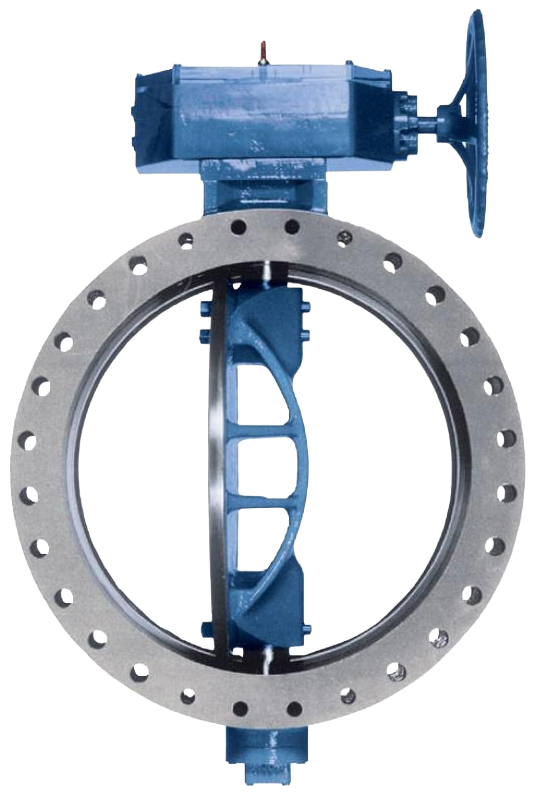
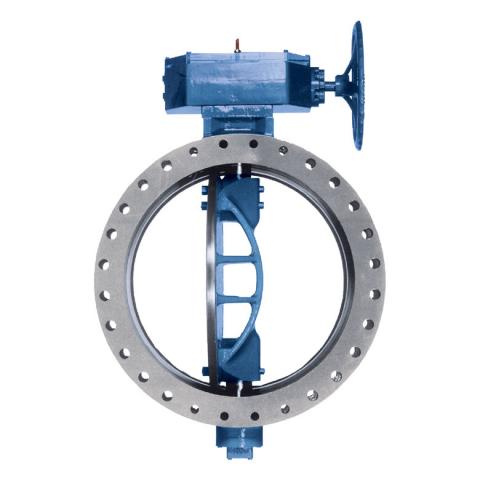
Water isolation requires dependable shutoff without overlooking space, headloss and maintenance. Pratt’s rubber-seated, buried-service and industrial butterfly designs provide options for different installation and operating requirements.
- Serviceable seating: The Triton® XR-70’s E-LOK® seat can be adjusted or replaced in the field.
- Lower headloss: On Triton XR-70 sizes 30 inches and larger, the flow-through disc increases free-flow area.
When We’d Recommend It:
We’d consider a butterfly valve when compact water isolation is a priority. For flow regulation, we’d also check the selected design against the operating range, pressure differential and required shutoff.
Resources
Pratt Ballcentric® Plug Valves
Wastewater • Sewage • Sludge
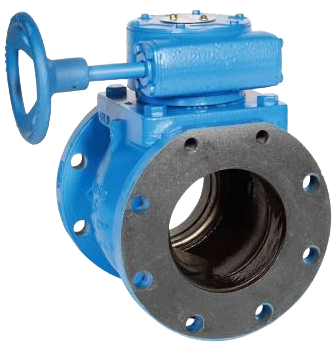
Sewage, sludge and solids-bearing liquids can challenge valve closure and sealing. Pratt Ballcentric eccentric plug valves combine a seat-clearing opening action with port and elastomer options to suit the fluid and operating duty.
Reduced seat contact: The eccentric plug moves away from the seat during opening, reducing wear and operating torque.
Material compatibility: Elastomer options allow the plug covering to be matched to the liquid.
Port configurations: Different port options accommodate different solids-passage and flow requirements.
When We’d Recommend It:
We’d evaluate Pratt check valves where automatic reverse-flow prevention is required. If slamming or pressure surges occur after pump shutdown, we’d pay particular attention to closure behaviour alongside the fluid, solids content and headloss.
Resources
Pratt Check Valves
Pump Discharge • Water Systems • Wastewater Pumping
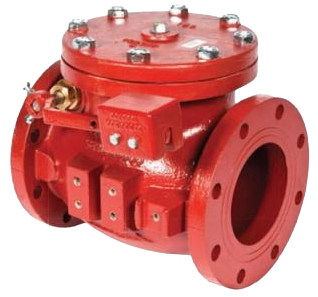
Preventing reverse flow is only part of protecting a pumping system. Pratt’s check valve range provides different flow-path and closure designs to address headloss, liquid conditions and the system’s response to pump shutdown.
Low-headloss option: Pratt’s tilting disc design provides a large flow area.
Short disc travel: The tilting disc moves through a short distance between fully open and closed.
Controlled movement: Optional hydraulic dashpots help manage disc closure and reduce the potential for slamming.
When We’d Recommend It:
Consider a check valve where automatic reverse-flow prevention is required. For pump discharge applications, Flowstar can review the fluid, flow velocity, installation orientation and shutdown conditions to help compare suitable designs.
Resources
Pratt Ball & Rotary Cone Valves
Pump Stations | Raw Water | Pump & Flow Control
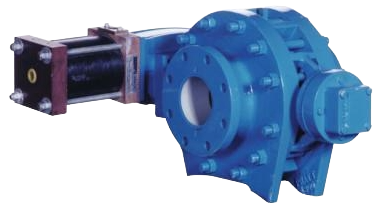
Pumping systems may need both low resistance during normal operation and controlled changes in flow. Pratt ball and rotary cone valves provide full-port or full-bore designs for suitable isolation, regulation and coordinated pump-control duties.
Low-headloss flow path: Rubber-seated ball valves provide an unobstructed full-port waterway.
Serviceable ball-valve seats: E-LOK® seats can be replaced in the field.
Reduced cone-valve seat wear: The rotary cone mechanism lifts the plug off its metal seats before rotation, reducing seat wear and operating torque.
When We’d Recommend It:
We’d consider these designs when low pumping losses, flow regulation or controlled pump start-up and shutdown are priorities. We’d evaluate the valve and actuator together to suit the required pressure, operating sequence and closing time.
Resources
Pratt AirPro Max® Air Valves
Water Pipelines • Wastewater Force Mains • Air Management
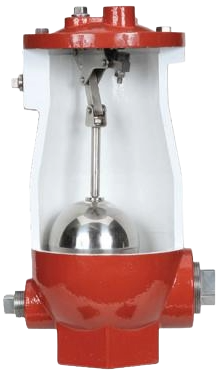
Trapped air can restrict pipeline flow and increase pumping demands, while filling and draining create different air-handling needs. Pratt AirPro Max offers dedicated water and wastewater designs for releasing accumulated air and handling larger air volumes.
Function options: Air-release, air/vacuum and combination designs address different pipeline operating requirements.
Wastewater-specific construction: Elongated bodies help keep waste away from the operating linkage.
Cleaning access: Optional backwash kits support routine cleaning of wastewater models.
When We’d Recommend It:
We’d consider AirPro Max where accumulated air restricts flow or the pipeline needs to release or admit air during filling and draining. The pipeline profile, pressure, liquid and air-handling requirements would determine the appropriate design and size.
Resources
Specialty Valves & Automation
Address the Requirements Beyond Standard Isolation
High-energy discharge, specified gate valve designs and automated operation each bring additional selection requirements. Flowstar can help review the appropriate Pratt equipment alongside your system conditions and project specifications.
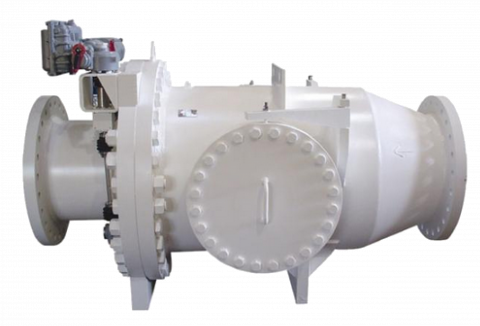
Energy Dissipating Valves
High flow, low downstream pressure and cavitation concerns require careful valve selection. Pratt fixed cone and sleeve designs provide options for demanding discharge and flow-control applications.
Flowstar can review flow, pressure drop and discharge conditions to help identify a suitable design.
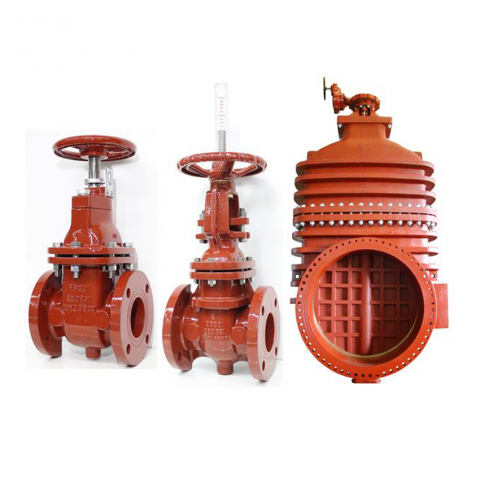
Gate Valves
Pratt metal-seated solid wedge gate valves provide isolation options for water and wastewater systems, with non-rising stem and outside screw and yoke configurations.
Flowstar can review the project specification, pressure class, stem clearance and operating arrangement to help match the valve to the installation.
Controls & Accessories
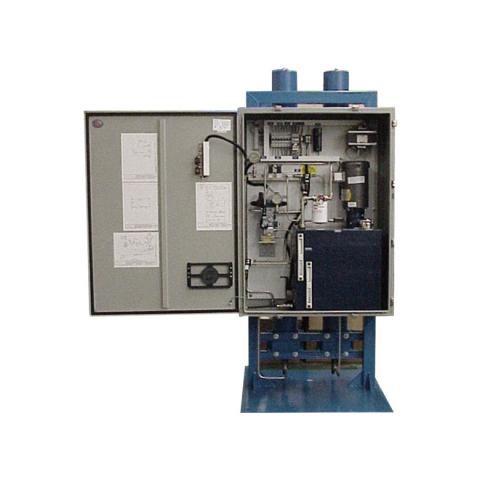
Valve operation needs to match the process and control system. Pratt offers gears, actuators, cylinders and automation packages for different operating requirements.
Flowstar can help review torque, operating speed, available power, position feedback and any required response to loss of power or supply pressure.
Retrofit & Replacement
Replacing a Valve?
Check More Than the Size.
A replacement needs to suit both the process and the installation. Flowstar can help compare Pratt options against your existing valve, piping and operating requirements.
What to Review
- Existing equipment: Manufacturer, model, nameplate information and available drawings.
- Installation fit: Face-to-face dimensions, flange drilling, mounting orientation and operator clearance.
- Operating duty: Fluid, pressure differential, flow direction and shutoff requirements.
- Controls & operation: Manual or powered operation, control signals, operating time and any required fail position.
Tell us why you’re replacing the valve. Leakage, wear, difficult operation or changing process conditions can help identify what the replacement needs to address. Photos and existing drawings are a useful starting point.
Markets & Applications
Match the Valve to Your System’s Demands
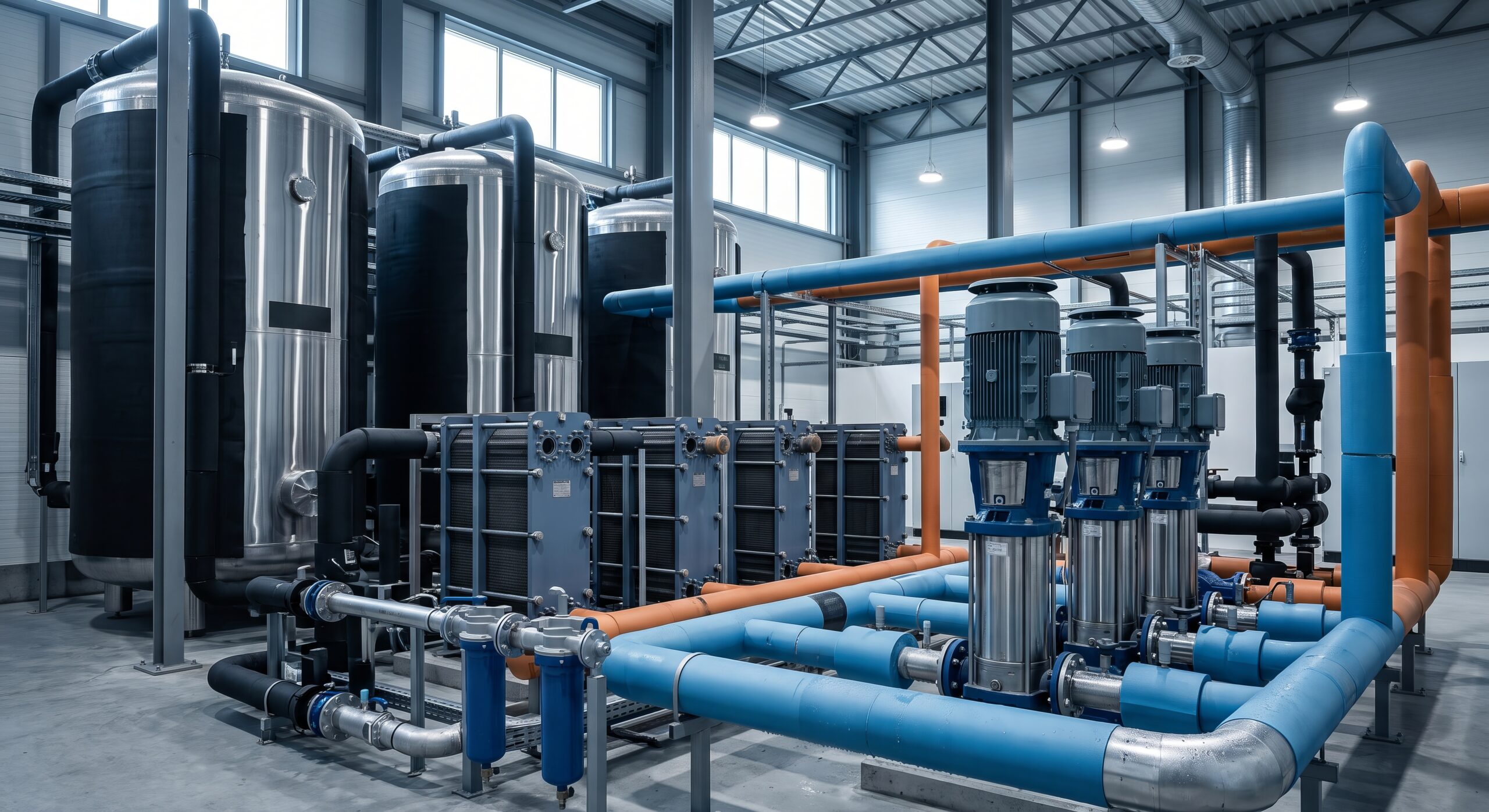
Flowstar helps customers across Atlantic Canada evaluate Pratt valves for water, wastewater and industrial systems. Start with the application, then compare the designs suited to the fluid and operating duty.
Municipal Water
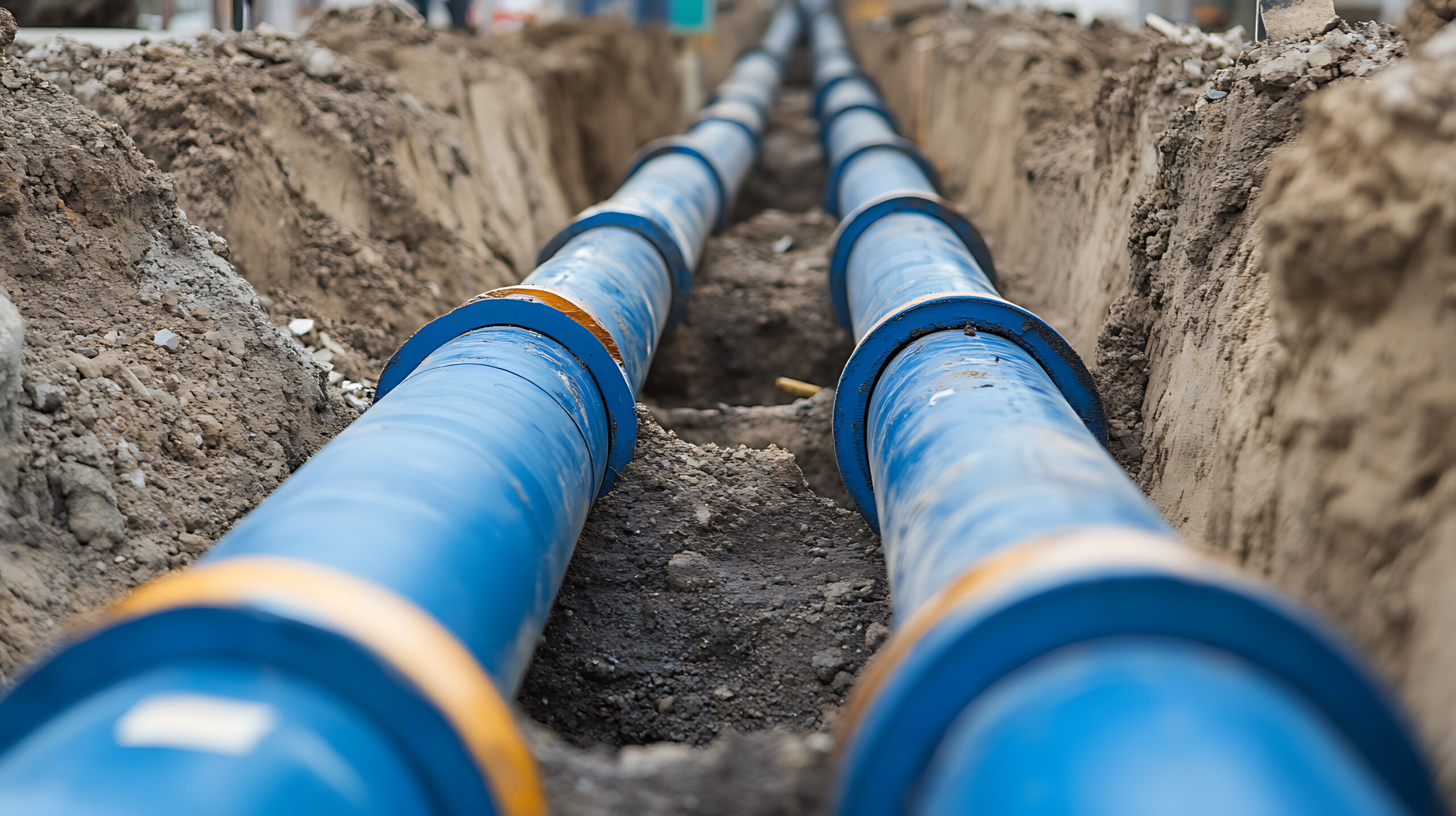
Review isolation, pumping and pipeline air-management requirements for treatment and distribution systems. Confirm pressure ratings, connection standards and required drinking-water certifications.

Wastewater & Sewage
Evaluate valves for lift stations, force mains, treatment plants and sludge systems. Solids passage, shutoff requirements, maintenance access and closing behaviour influence selection.

Industrial & Process Utilities
Select around plant water, utility isolation and suitable process duties. Review fluid compatibility, temperature, pressure and manual or automated operation.
Pulp, Paper & Mining
Evaluate options for plant water, utility lines and industrial effluent. Confirm solids content, abrasion and chemical compatibility for the specific service.
Power & Raw Water
Review cooling-water, intake and pump-control duties. Flow, headloss, operating pressure and start-up or shutdown conditions help define the valve and control requirements.
Talk With Flowstar About Your Valve Application
Planning a new installation or replacing a valve that leaks, wears or is difficult to operate? Share your application details, project specifications or existing equipment information. Flowstar helps customers across Atlantic Canada compare Pratt valve and operator configurations against their system requirements.
Common Questions
Pratt Valve Selection & Application FAQs
Start with the fluid and what the valve needs to do. A butterfly valve may suit water isolation or selected flow-control duties. An eccentric plug valve may be a better starting point for sewage, sludge or solids-bearing fluids. Flowstar can compare the options against solids content, pressure differential, materials and shutoff requirements.
Suitability and certification depend on the selected model, materials and configuration. Include the project’s required AWWA standards, NSF/ANSI/CAN 61 and lead-content requirements in the inquiry so the correct model documentation can be reviewed.
There is no single check valve design for every pump system. Review the fluid, solids, flow velocity, available space, headloss and how quickly flow reverses after pump shutdown. Closure characteristics and any surge analysis help determine whether a swing, tilting disc, silent or another design is appropriate.
Air-release valves vent air that collects while a pipeline is pressurised. Air/vacuum valves handle larger air volumes during filling and draining, including admitting air as needed. Combination designs provide both functions. Water and wastewater service require the appropriate design and capacity.
